Your Network Is an Unmanaged Asset: Master the 4 Shifts That Turn Relationships Into Your Most Defensible Pipeline!
About my Honored Guest
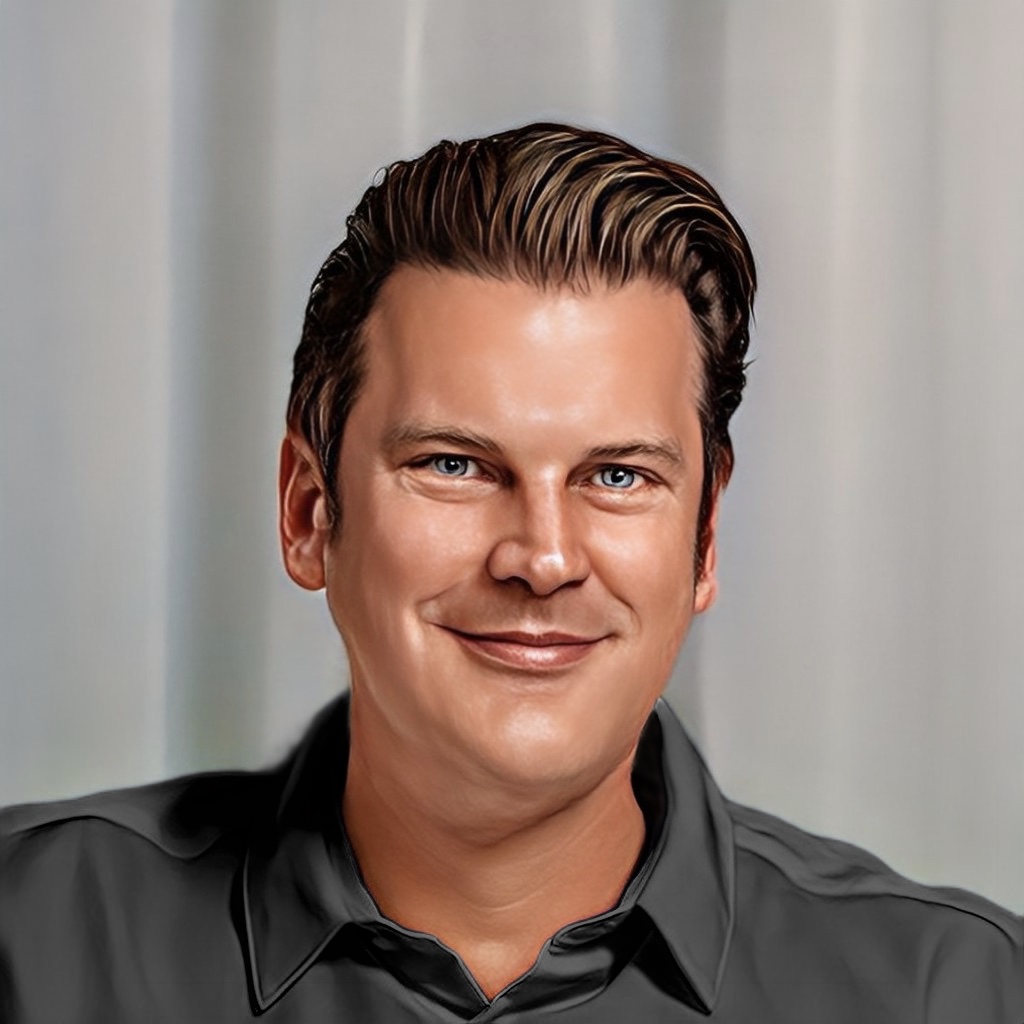
I am honoured to have Péter Kovács as my guest for this edition of Digital Business Nuggets. Péter is the founder and Chief Networking Officer of NetworkSmith, where he distils fifteen years of building relationships across global startup ecosystems into workshops and advisory work for founders and their teams. He is the co-founder of the Global Startup Awards, the largest independent startup ecosystem competition with editions in 150+ countries, he co-founded the tech recruiting firm IseeQ and the venture builder xLabs, and he is an active angel investor. His unofficial title at the Global Startup Awards says more than any of it: Head of Friendships.
In Episode #31 I showed how the execution side of growth becomes a machine. Péter adds the one input no machine can generate: trust. When every company can automate its outreach, the reply goes to the sender the buyer already knows. What follows is Péter's edition, in his own words.
TL;DR: Outreach became free, so replies became scarce. The one thing that still gets answered is trusted access to the buyer, and most companies already own more of it than they realise. It sits in personal inboxes and LinkedIn accounts, with no owner, no budget and no place in the plan. That is a management problem rather than a personality problem, and fixing it starts with four shifts in how a company treats its relationships.
When Outreach Is Free, the Reply Is the Scarce Good
Arndt argued in Episode #31 that distribution is the new bottleneck, and that marketing execution is moving to machines. I want to add the uncomfortable second half of that sentence.
When the machines get good at outreach, everyone's outreach gets good. The differentiator disappears and the volume explodes. Belkins analysed 7.5 million cold emails sent in 2025 and found a 0.45% average reply rate, dropping from 0.50% in the first half of the year to 0.40% in the second. The messages keep getting more polished, the models keep improving, and the replies keep falling.
Agents can write the message, choose the segment and shift the budget. What they cannot do is make a stranger trust you. So the scarce input in a fully automated funnel is trusted access: someone who opens the message because of who sent it.
The Asset Nobody Owns
Here is what I find in almost every B2B company I work with. The trusted access already exists. The CEO knows an investor's operating partner. A senior engineer used to work at the exact target account. Someone in customer success has a decade-old friendship with the buyer's new CTO.
None of it is written down. It lives in personal LinkedIn accounts, inboxes and messaging apps, so it is invisible to the people who need it, it disappears when someone resigns, and nobody is responsible for it. Companies run a CRM for the deals they already know about and nothing at all for the relationships that would create the next ones.
Ask a management team which client they would lose if one specific person left tomorrow. The silence in the room is the size of the asset.
Why It Stays Invisible
Three reasons, and none of them are about tooling.
First, relationships get filed under personality. Someone in the company is "good with people", so relationship building becomes their private hobby rather than a company capability. Nobody assigns it, nobody reviews it, and when that person leaves it goes with them.
Second, the asset has no owner and therefore no calendar time. Everything that matters in a company has a name next to it. This does not, so it happens in the gaps, which means it happens when there is a quarter to save and not before.
Third, it gets measured on the wrong clock. Relationship building pays back over years, but it gets judged by the quarter, and so it always looks like the least productive hour in the week.
The 4 Shifts
These are the shifts I keep returning to in my workshops. They cost nothing to adopt, they change what your team actually does on a Tuesday, and together they turn relationship building from a personal habit into a company capability.
1. Give, give, give, then ask. Open every relationship by understanding the other person and helping them, well before you need anything. The help should be cheap for you and real for them: an introduction, honest feedback, twenty minutes of your experience. Most people invert this and spend their first contact asking, which is why their second contact never happens. Make giving first a team norm, not a founder quirk.
2. Stop setting targets for relationships. I have never set a lead target for an event, and the connections that changed my business were never the ones I planned. If you go in hunting, people feel it and close up. If you go in curious, the room opens. The results are exponential over time, but only if it becomes routine instead of a campaign. This is the shift that clashes hardest with how companies measure everything else, which is exactly why it needs management cover.
3. Make yourself easy to introduce. Decide on the one word you want people to associate with you, then be relentlessly consistent about it. You are not in the room when the useful conversation happens. If your word comes up and someone says your name, that is the whole return. And remember a story about a person rather than their job title, because the story is what lets you reconnect two years later without it feeling like outreach.
4. Spend your network to grow it. Connect two people who should know each other, ask both sides first, and expect nothing back. This is the part that sounds naive and is not. Every introduction I make keeps me present in two relationships I would otherwise have lost, and it creates value on the spot rather than promising it. It is also the most graceful way back into a relationship you have let go cold.
You Already Know More People Than You Think
When the pipeline is thin, the instinct is to go and find new people. It is almost always the wrong one. Scroll through your own LinkedIn connections slowly and you will find contacts you have not thought about in years who are now exactly where you need to be.
Those relationships do not convert on your schedule. They convert when something changes on the other side. Your contact takes a new role, their company raises, they enter your market. Noticing those moments is an advantage no automated outreach can buy, because the message then arrives at the right time from someone the recipient already trusts.
From Mindset to Management
The mindset is where it starts, but mindset on its own does not survive a busy quarter. Sooner or later the relationships in your company need what every other asset already has: an owner with a name, time in the calendar, and an honest look at what you would lose if it walked out of the door.
What that system looks like differs from company to company, and that is the point. A playbook copied from somebody else's sales motion gets abandoned within a month, because it asks your people to behave like people they are not. The system that lasts is built around the relationships you actually have and the way your team already talks to the market. Designing that fit is the craft, and it is what I spend my days on.
So: which of your clients would leave with one specific person? If the answer takes you longer than ten seconds, that is the conversation to have this week.
If you want to explore what a relationship system would look like for your company: my door, fittingly, is my network. Find me on LinkedIn or at networksmith.io.
Back to Arndt
If #31 was about building the growth machine, Péter's edition is about the one input you cannot vibe-code. In GMDNA terms: trusted access is a channel, and it deserves a place in your planning right next to the automated ones. But treat it differently. Map who can open which door, keep it to professional access rather than private detail, involve your team with their consent, and never feed it to the agents. A relationship an agent touches stops being one, and your colleagues' relationships are entrusted to them, not owned by the company.
An honest question for the comments: does relationship building in your company have an owner, or does it live in personal inboxes? I read everything, and your answers shape the next episodes.
And if you want hands-on support building your growth machine, from your Growth Machine DNA to the first running loops: that is exactly what I do with startups and scale-ups. Reach out.
I speak tech, product and business. Let's build! 🚀
Visit my website: www.arndtschwaiger.com
Thank you for reading and sharing!
Best regards,
Arndt